Formula 1 in person is a different sport than Formula 1 on television.
Television compresses the speed. Television makes the cars look manageable. Television does not put you in a grandstand when twenty F1 cars start their engines fifty feet in front of you and the air pressure changes for half a mile in every direction. The first time you stand at a Grand Prix and the cars come down the front straight, you understand why people fly across the world to do this.
The catch is that planning the trip is not the same exercise as buying a ticket. Premium F1 is a fragmented market. Different venues have different hospitality structures, different hotel logistics, different transfer realities, different rhythms across the weekend. The buyer planning a Monaco week and the buyer planning an Abu Dhabi finale are not solving the same problem.
This is a planner’s guide. Written for the traveler who is going to their first F1 weekend at the premium tier, or moving from grandstand seats to hospitality for the first time, and wants to understand the decisions before they make them.
No pricing in this piece. The pricing conversation is downstream of the planning conversation. This piece is the planning conversation.
The shape of a Grand Prix weekend
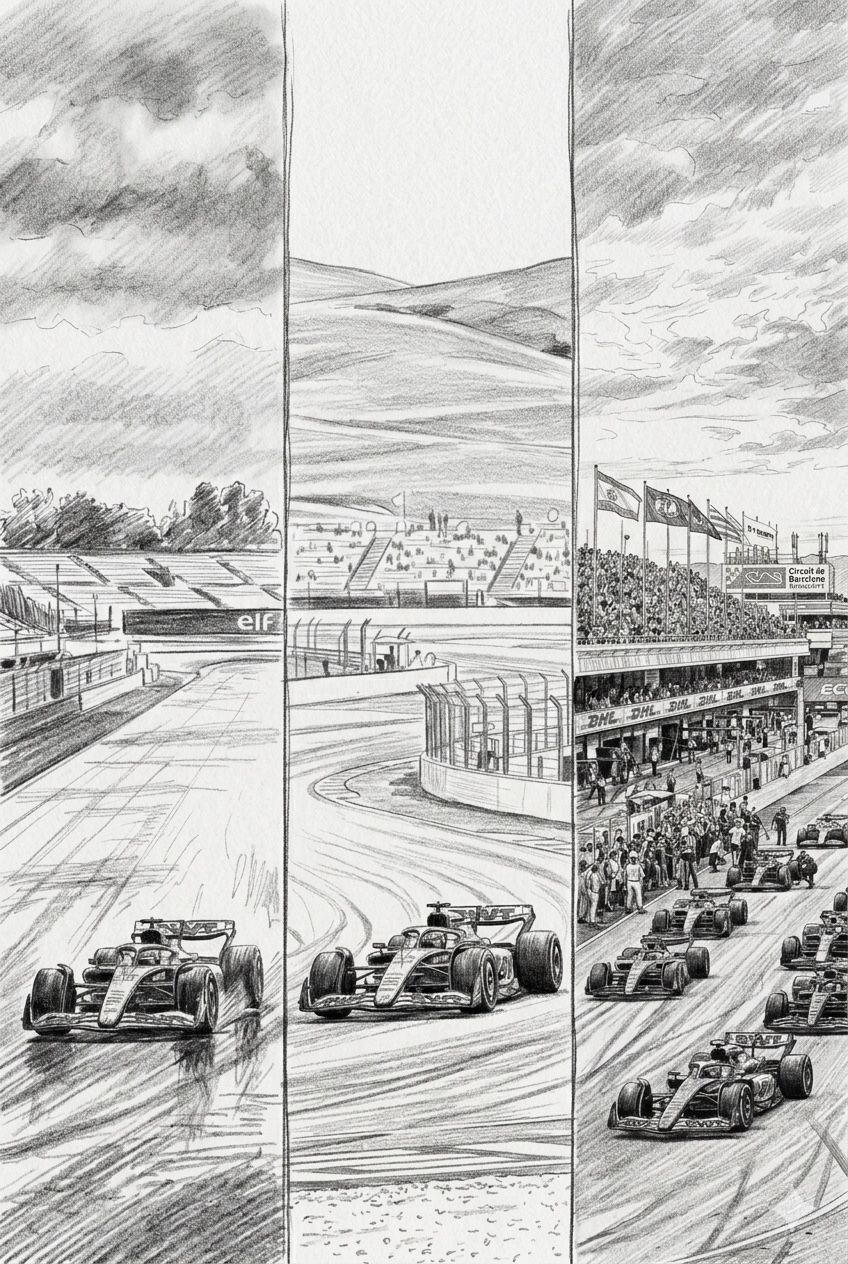
Most F1 weekends now run the same shape. Monaco used to be the exception with Thursday practice and a Friday rest day. That changed in 2022. Today every F1 weekend on the calendar runs:
- Friday: two free practice sessions
- Saturday: one final practice session followed by qualifying
- Sunday: the race
That is the on-track schedule. The off-track schedule for a premium attendee is what the weekend actually feels like:
Thursday. Arrival day. Most premium travelers fly in Thursday so they are on the ground for Friday morning. Some hospitality programs open Thursday for paddock walks and team garage activity.
Friday. The longest day at the venue if you have a paddock pass. Two practice sessions, two opportunities to be in the paddock, the day when team strategy is most visible.
Saturday. Qualifying is the highest-engagement on-track session for most fans. The starting grid for Sunday is decided here. The atmosphere shifts from observational to competitive.
Sunday. Race day. The big day. Lock in race-morning logistics and transfers ahead of time. Race morning traffic at every F1 venue is its own event.
Monday. Departure or extension. Most premium travelers extend the trip into the destination week.
What “premium” actually means at an F1 weekend
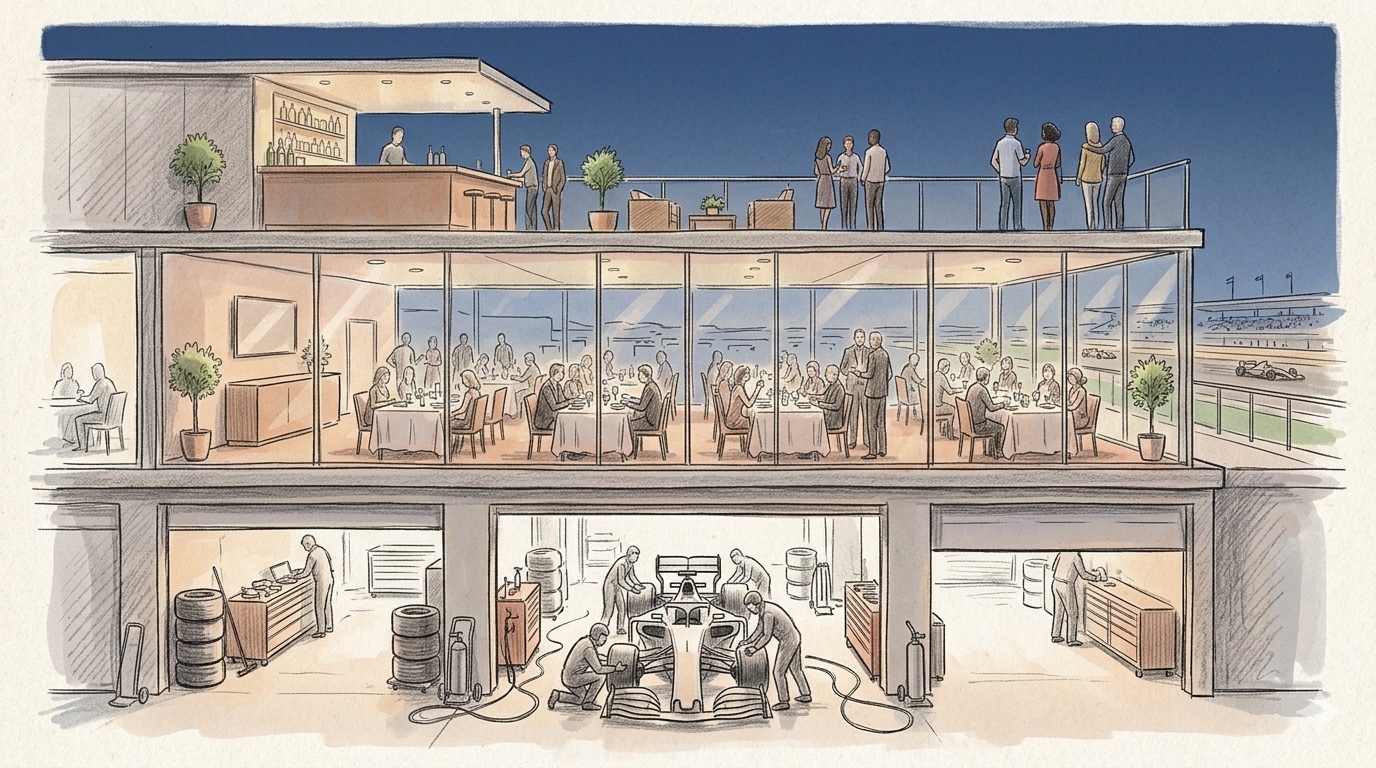
The premium F1 product is fragmented. There is no single “luxury package” the way there is at the Indianapolis 500 with the paddock penthouse or at the Masters with the trophy package. F1 hospitality is a market of stacked product layers, each one with a different vendor, a different decision logic, and a different role in the weekend.
The layers most premium F1 travelers consider:
Paddock Club. The official F1 hospitality program operated by Formula 1 directly. Suite-level catering, paddock viewing, pit lane walks at scheduled times, driver appearances at most venues. Available at every venue on the calendar. The structure is consistent venue to venue but the suite locations, the views, and what each tier includes vary significantly by track.
Team hospitality. Some teams sell or invite to their own suites. Different from Paddock Club. The team suite experience is more team-immersive, less rotational across the paddock.
Hotel terraces overlooking the track. A handful of venues offer this. Monaco is the famous one. Some terraces are sold as race-week packages.
Yacht hospitality. Monaco specifically. Yachts moored in the harbor become race-day viewing platforms, with catering, captain crews, and tender service from shore. A category unto itself.
Premium grandstand seating. Often overlooked at the premium tier. Specific grandstands at specific venues offer the most cinematic race-day view available, sometimes better than a hospitality suite further back. Worth understanding before defaulting to a suite by reflex. For a worked example of the trade-off, see COTA: Paddock Club vs grandstand vs Turn 1.
Helicopter and private transfer access. At certain venues, traffic in and out of the circuit on race day is the bottleneck. Nice to Monaco by helicopter is the classic. The transfer decision is part of the premium product, not an afterthought.
The point is that “premium F1” is not a single product. It is a stack of decisions about which layers to pay for, in which order, for which weekend. The decisions interact.
Why no two F1 weekends are the same
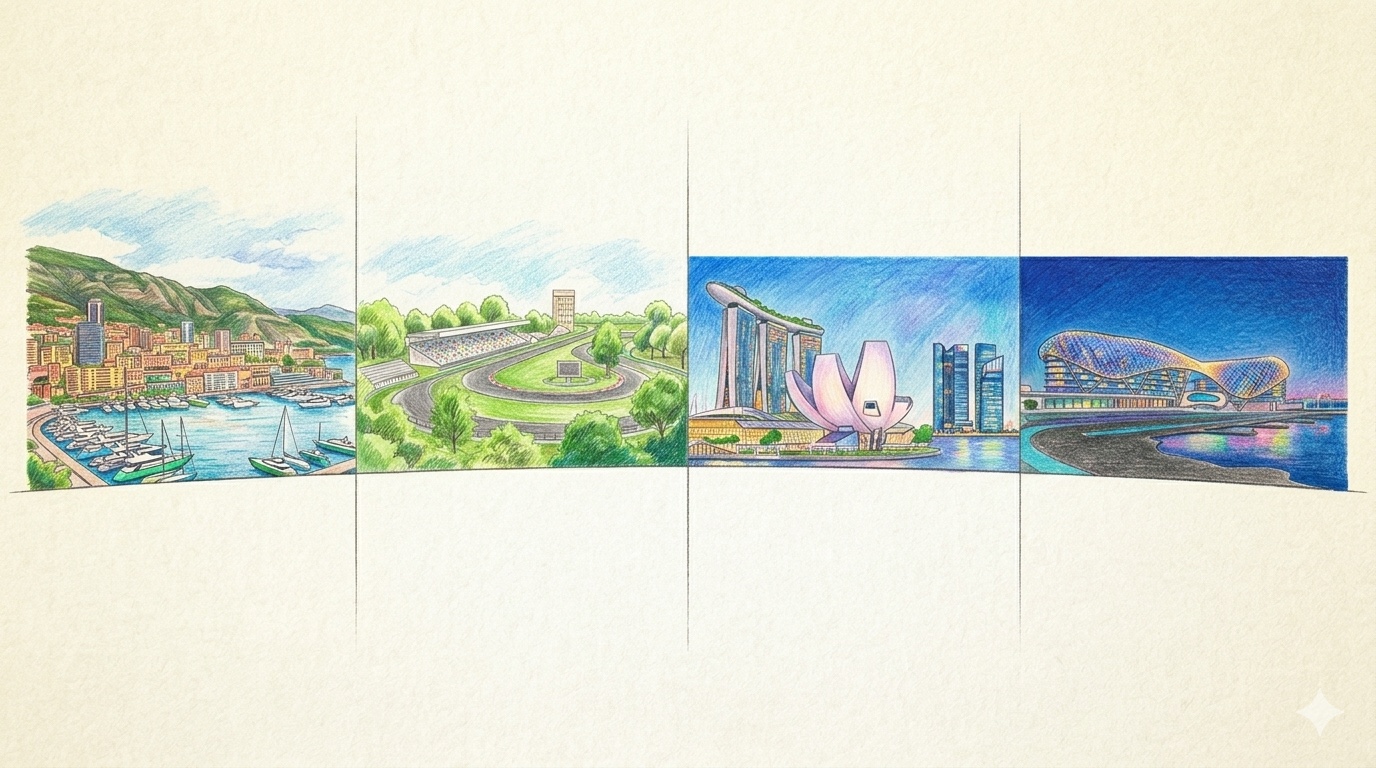
The character of each F1 weekend is shaped by the venue. The decisions that matter at Monaco are not the same decisions that matter at Singapore or Abu Dhabi.
Monaco. Street circuit through the principality. Hotels overlooking the track are the iconic option but limited in number and held early. Yacht hospitality is unique to Monaco on the F1 calendar. Transfers in and out of the principality are the operational story of the weekend.
Monza. Permanent road course in a park north of Milan. Ferrari’s home race. The tifosi atmosphere is the experience. Hotel base is typically Milan with a daily transfer to the circuit, or a closer property in the surrounding countryside.
Singapore. Street circuit through the Marina Bay district. The only true night race on the calendar that runs start to finish in the dark. Hotel options are denser than Monaco. The base city is the destination.
Abu Dhabi. Permanent road course on Yas Island. The Yas Hotel famously straddles the track. The season finale. Premium hotels on Yas Island, in central Abu Dhabi, or on Saadiyat Island, each with different transfer logic.
Las Vegas. Street circuit on the Strip. The Strip itself is the venue and the destination simultaneously. Hotel options are dense and varied. The race runs late at night local time.
Miami. Permanent road course at the Hard Rock Stadium complex. Suburban Miami location. Hotel base typically downtown Miami or in Miami Beach.
Austin. Permanent road course at Circuit of the Americas, south of the city. Hotel base typically in Austin proper.
The Grand Prix weekend at each of these is recognizable as F1 but operates differently end to end. A buyer who experienced Monaco and assumes Singapore works the same way will be wrong about three or four key decisions.
The decisions that actually matter for a first premium F1 trip
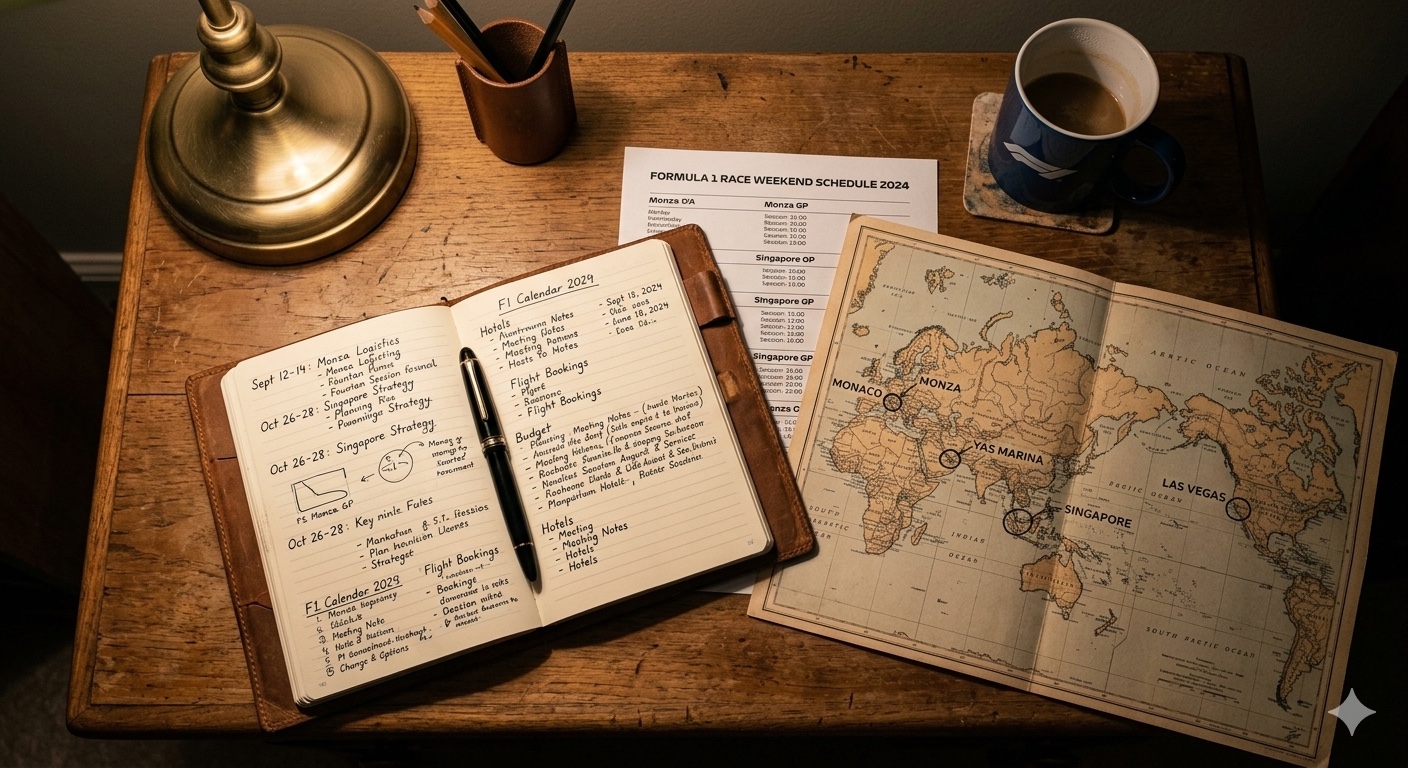
The buyer’s first instinct is usually to pick a hospitality tier. Paddock Club or grandstand or yacht. That decision sounds primary because it has a price tag attached. It is not primary.
The decisions that drive the trip, in the order they actually matter:
1. Which race. Not all F1 venues deliver the same experience and not all of them are the right first trip. Monaco is the bucket list race for a reason. The Italian Grand Prix at Monza is the most charged-atmosphere weekend for a Ferrari fan. Singapore is the strongest first-trip for a buyer who wants F1 plus a destination week. Abu Dhabi is the season-finale story. The race matters more than the hospitality tier, because the hospitality tier means different things at different venues.
2. When to arrive and when to leave. F1 weekends have a rhythm. The premium attendee who flies in Thursday and out Tuesday gets a fundamentally different experience than the one who arrives Saturday morning and leaves Sunday night. The shoulder days are not the lesser product. They are the differentiated one.
3. Hotel base. Often the most consequential decision in the entire trip and the one buyers most often default on. The wrong hotel base means race-morning traffic costs you an hour of the weekend, every day. The right hotel base means logistics fade and the experience moves.
4. Hospitality tier. This is the decision the buyer thinks is primary. It is actually the last of the four, because the answer depends on the first three.
The decision sequence matters. Pick the race. Pick the days. Pick the hotel base. Then pick the hospitality tier. That order produces a different trip than the inverse order.
Why an advisor matters for premium F1 specifically
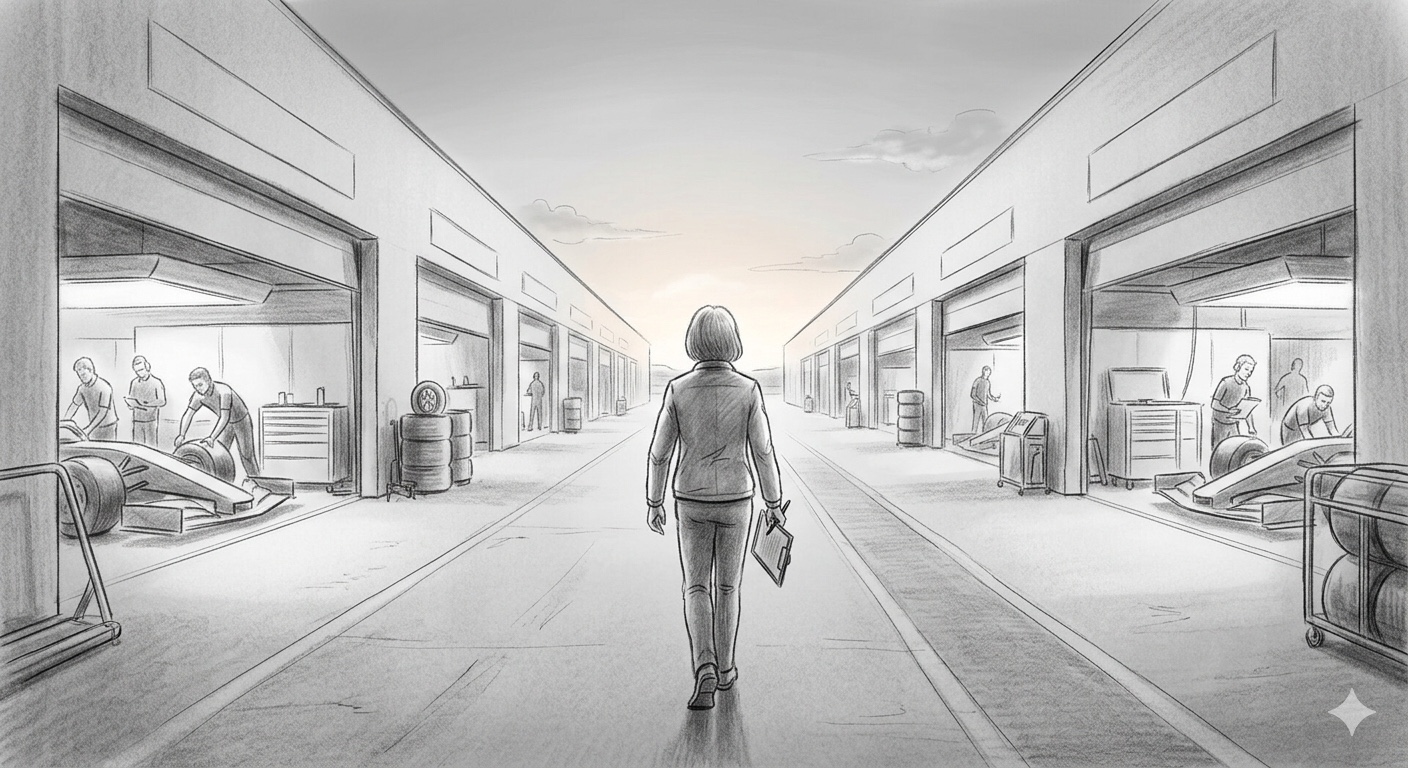
There are categories of travel where an informed consumer can DIY their way to an excellent trip. A weekend in Paris. A week in the Maldives. A ski week in Vail. The internet is well-mapped for those.
Premium F1 is not those.
The reasons are mechanical.
Hospitality inventory at premium tiers is allocated, not listed. Paddock Club, team suites, yacht inventory, premium grandstand allocations at heritage venues. These do not appear on a search portal you can sort by price. They are released into networks. You either have access to those networks or you do not.
Hotel inventory at peak race weekends behaves differently than normal hotel inventory. The best rooms are typically pre-committed to teams, sponsors, hospitality providers, or networks of advisors a year in advance. By the time the public booking window opens, the desirable inventory is gone. Public availability is the leftover.
The transfer and logistics layer is venue-specific and requires either previous experience at that exact venue or a vendor network that does. Race morning at Monaco is not race morning at Yas Marina is not race morning at Marina Bay. The transfer plan that worked for the buyer’s friend at Monaco does not transfer to Singapore.
The race weekend schedule has small windows that close once. Garage tours, pit lane walks, grid access, driver appearances, paddock breakfast, Saturday qualifying viewing. Once a window closes, it closes for the weekend.
The advisor’s role is the operational layer. Source from networks the consumer cannot access. Hold inventory the public window will not show. Sequence the schedule so the small access windows align with the buyer’s preferences. Recover when something changes mid-trip.
For premium F1, that work is not a nice-to-have. It is the product.
Where to start, by race
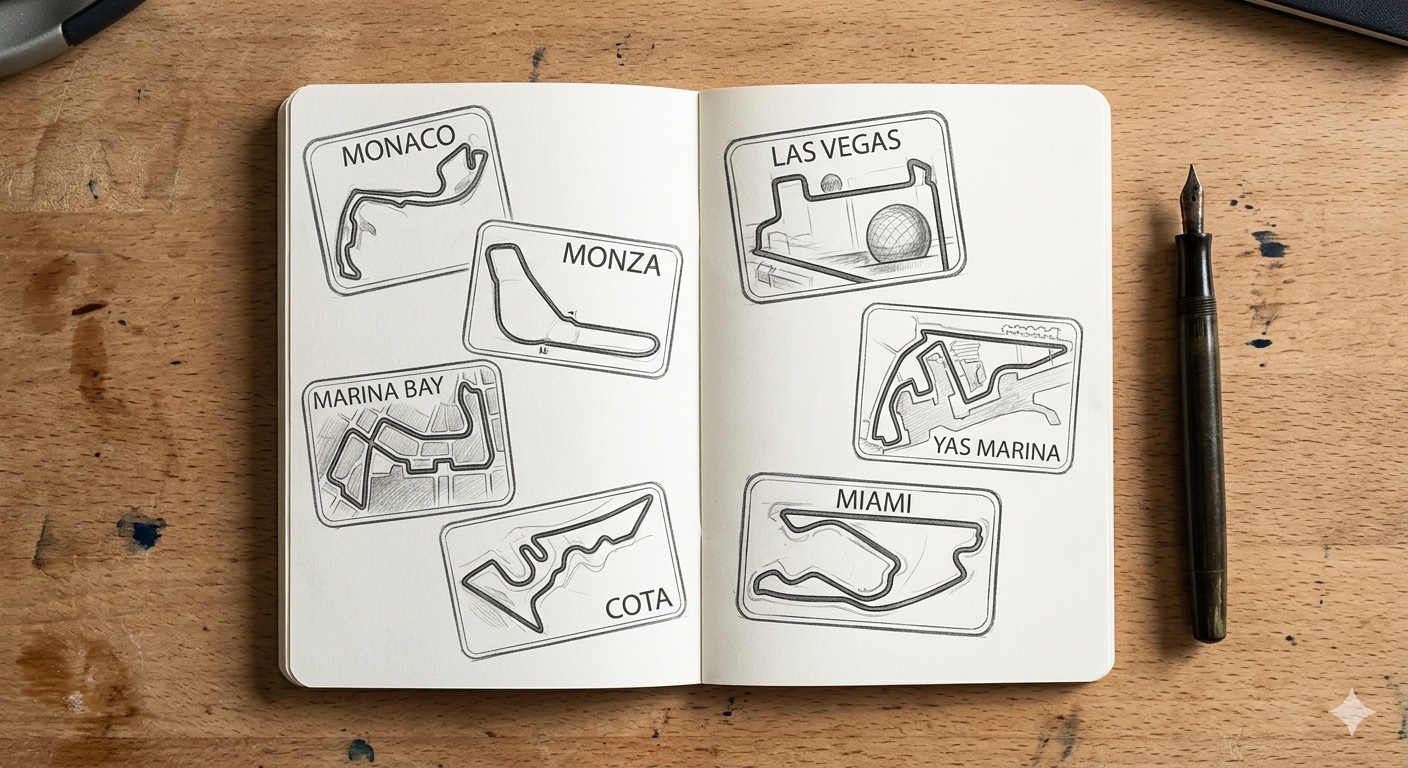
A short profile of each F1 weekend Racing Passport currently plans. Each links to the dedicated trip page with the full inclusions.
Monaco Grand Prix. Held in May. The bucket list race for most premium F1 travelers. Street circuit through Monte Carlo. Yacht hospitality on the harbor, hotel terraces overlooking the track, Hotel de Paris Monte-Carlo or Hotel Hermitage as the iconic hotel base. Cap Ferrat or Nice as the alternative. Read the Monaco GP planner’s guide →
Italian Grand Prix. Held in September. The tifosi atmosphere weekend. Autodromo Nazionale Monza. Milan as the typical hotel base. Easy Lake Como extension on the back end of the trip. Read the Italian GP planner’s guide →
Singapore Grand Prix. Held in October. Night race on the Marina Bay street circuit. Dense hotel options. The base city is the destination. A strong first trip for the buyer who wants F1 plus a destination week.
United States Grand Prix at Austin. Held in October. Circuit of the Americas. I am personally on the ground for this one. Invitation only.
Las Vegas Grand Prix. Held in November. Street circuit on the Strip. Late-night race. Dense premium hotel inventory.
Abu Dhabi Grand Prix. Held in December. Yas Marina. The season finale. The Yas Hotel straddles the track.
Miami Grand Prix. Held in early May. Hard Rock Stadium complex. South Florida destination.
Common questions about premium F1 travel
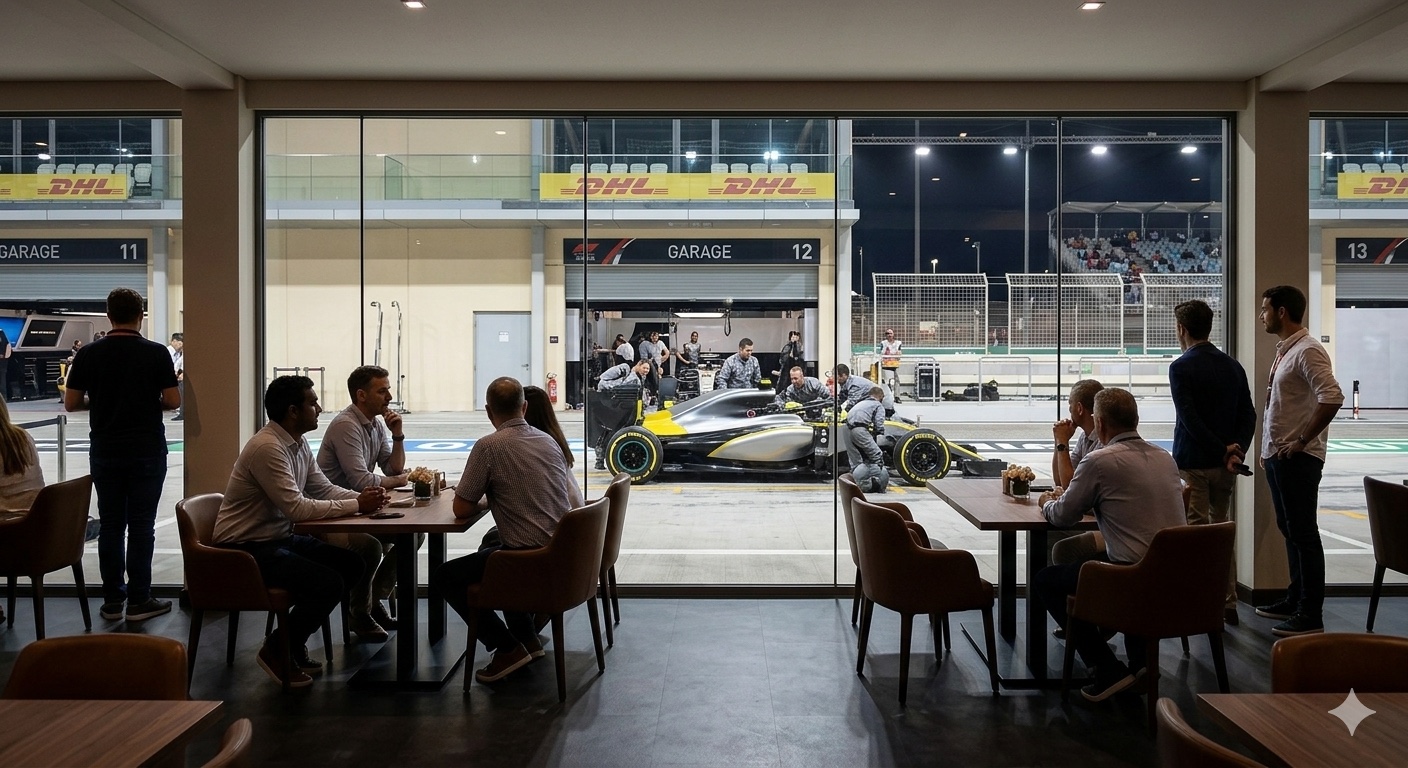
How early should I plan an F1 trip?
For premium tiers at the major weekends, twelve months is the realistic minimum. Monaco specifically operates on a longer cycle than most venues, with key hotel inventory held a full year in advance and yacht inventory closing earlier still. Other venues offer slightly more flexibility, but the rule of “the best inventory closes first” applies everywhere.
What is Paddock Club?
Paddock Club is the official premium hospitality program operated by Formula 1 directly. Suite-level catering with rotating chef appearances, paddock walk access at scheduled times, pit lane viewing on race day, driver appearances in suites at most venues. The structure is consistent venue to venue, but the suite locations, views, and specific inclusions vary by track.
Is Paddock Club the best premium tier?
Not automatically. The best premium tier depends on the venue and on what the buyer wants from the weekend. At Monaco, yacht hospitality competes seriously with Paddock Club as the premium choice. At Abu Dhabi, the Yas Hotel terrace competes. At certain venues, specific premium grandstands offer better race-day viewing than a standard hospitality suite. The right tier is venue-specific.
Which F1 race is the best first premium trip?
That depends on what the buyer wants the weekend to deliver. Monaco is the bucket list race and the most iconic weekend on any motorsport calendar. The Italian Grand Prix at Monza is the most charged-atmosphere weekend for a Ferrari fan. Singapore is the strongest first trip for a buyer who wants F1 plus a destination week. Each is a different first trip.
How long should the trip be?
The race weekend itself runs Thursday through Sunday or Monday at most venues. Premium travelers commonly extend the front or back of the trip into the destination. Monaco buyers often add Riviera time. Italian Grand Prix buyers often add Lake Como or Milan. The extension structure varies by venue.
Can I bring a group?
Premium F1 weekends work well for small groups. Groups of four to twelve are common. Larger groups require earlier planning because hospitality allocations at the premium tier do not always accommodate large blocks late.
What is the role of a travel advisor for premium F1?
Premium F1 inventory is allocated through networks rather than listed on public booking portals. The advisor sources from those networks, holds inventory the public booking window will not show, sequences the weekend so the small access windows align with the buyer’s preferences, and coordinates venue-specific logistics that change race to race.
How to start the conversation
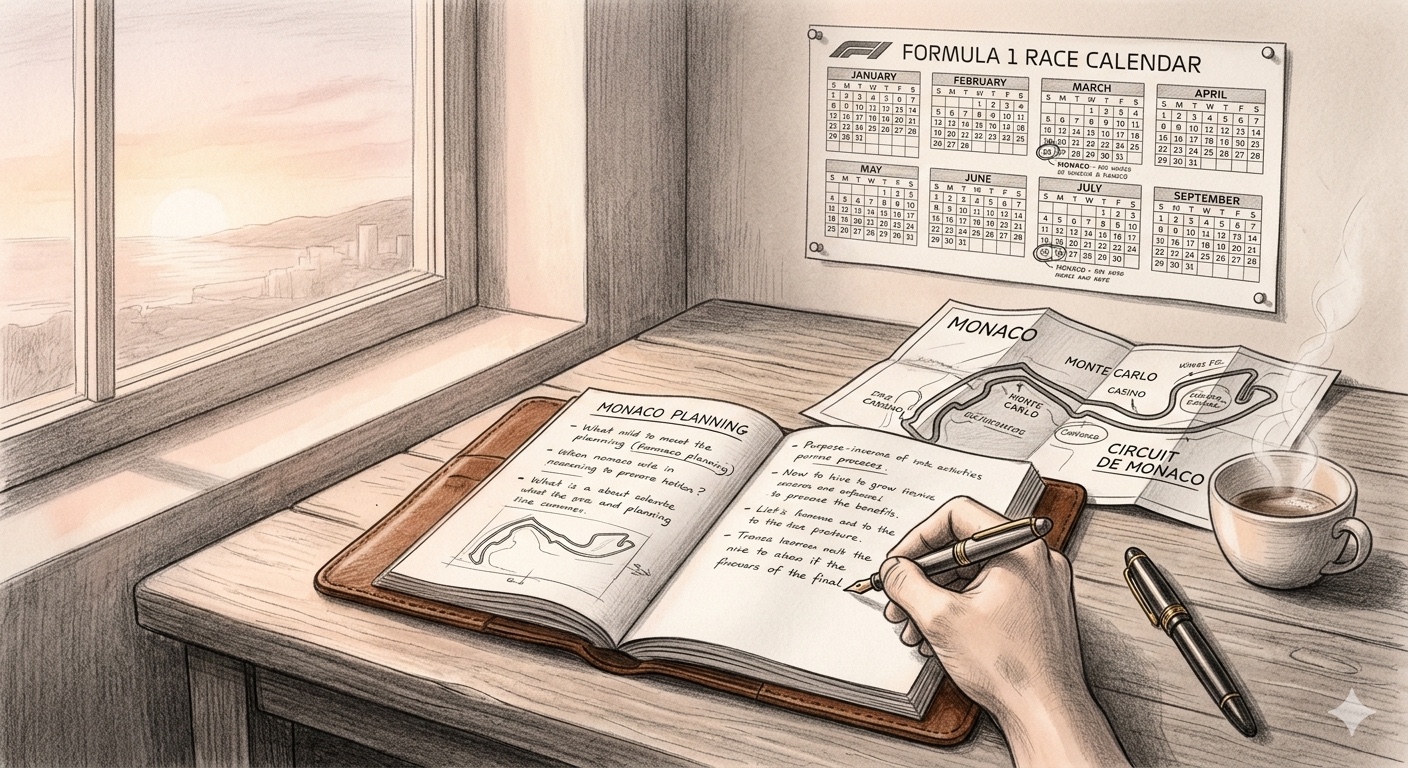
The right time to plan a premium F1 trip is earlier than feels intuitive. Twelve months ahead is the typical minimum for the bucket list weekends. Twenty-four months ahead is normal for Monaco at the top tier.
Tell us the race or races on your list, the group, and the rhythm you want from the trip. We come back with the plan.
Read next
- How to Plan a Monaco Grand Prix Trip — the planner’s guide for the bucket list race.
- How to Plan an Italian Grand Prix Trip — Monza, the tifosi, Milan as the base, the Lake Como extension.
- How to Plan a Singapore Grand Prix Trip — the night race, the Marina Bay base, the Southeast Asia extension.
- How to Plan an Abu Dhabi Grand Prix Trip — the season finale, the Yas Hotel, the Dubai and Maldives extensions.
- How to Plan a Las Vegas Grand Prix Trip — the Saturday-night Strip race, hotel balcony viewing, the American extension.
- How to Plan a United States Grand Prix Trip — Circuit of the Americas, Austin as the base, the Hill Country and Texas extension.
- How to Plan a Miami Grand Prix Trip — Hard Rock Stadium, South Beach as the base, the Florida and Caribbean extension.
- What Racing Passport Actually Does — the long-form explainer on how Racing Passport plans the trip.
- Three Drivers You Will One Day Wish You Saw Race in Person — Lewis Hamilton, Alex Palou, Denny Hamlin, and the window that is closing on all three.
- Where Are They Now: Prescott Campbell at Williams F1 — a 33 Dreams alum now structurally engineering F1 cars at Williams.