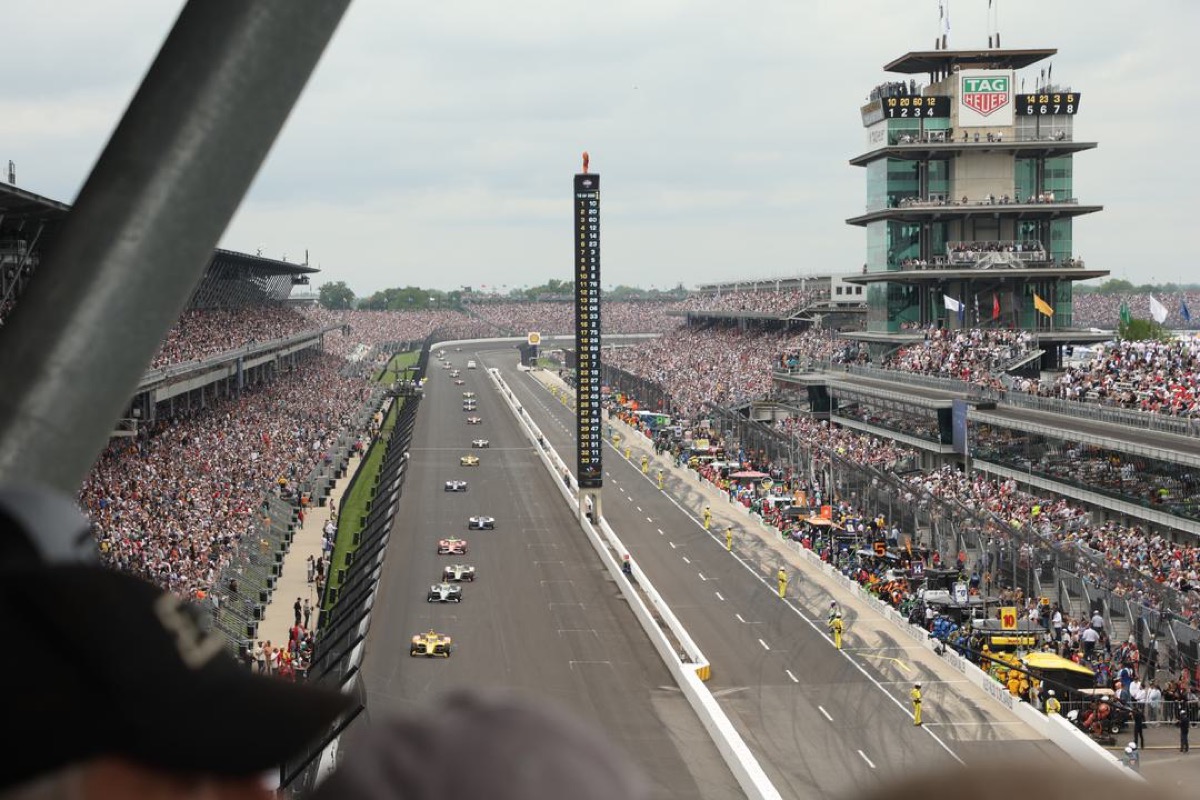
Most motorsport travel brands sell every race on the calendar. Indianapolis 500, every Formula 1 round, every major NASCAR weekend, every IMSA event, every Australian Supercars race, every Le Mans, every Goodwood. The catalog is the catalog. Click the link, get the package.
Racing Passport does not work that way. The published trip page list is selective. Some races are on it. Most races are not. There is a reason for the selectivity.
What I will and will not plan
I will plan the races I have been to, the races I have specific perspective on, and the races where I can deliver a trip that is meaningfully better than what you would get from a generic motorsport travel platform.
I will not plan races I have never attended. I will not plan races where my perspective adds nothing. I will not plan races where the local operator already on the ground does the job better than I can.
The result is a published trip list that covers approximately twenty-five races a year. F1 rounds across Europe, North America, the Middle East, and Asia. The Indianapolis 500 and the IndyCar marquee oval and street events. NASCAR Championship Weekend at Homestead. The Brickyard 400. Bristol. The Rolex 24 and the Daytona 500. The Kentucky Derby (the only non-motorsport event because it sits in the Racing Passport editorial framework).
That is a substantial list. It is also a quarter of the events motorsport travel platforms sell.
Why the list is selective
Three reasons.
First, perspective is the product. What you are buying when you book through Racing Passport is not a hotel-and-ticket bundle. You are buying perspective: which seat at this venue, which hotel for this buyer, which weekend rhythm fits this trip, what to do when the racing is not happening. The perspective comes from having been at the race. I cannot deliver perspective on a race I have not attended.
Second, the trip quality scales with my involvement. The races where I am on site (Indianapolis 500, US Grand Prix at Austin, Rolex 24, Homestead Championship Weekend) are the trips with the hosted on-site format. The races where I am not on site (most of the F1 calendar, most NASCAR Cup weekends, most IMSA rounds) are still planned and curated, but the on-site presence is not part of the product. The honest framing is that some of the races on the published list are higher-touch than others.
Third, accuracy matters more than coverage. I would rather plan twenty-five races accurately than fifty races at a generic level. The buyer who wants every race on every continent is a buyer for a different operator. The buyer who wants depth on a specific subset of races is the buyer Racing Passport fits.
What gets added to the list
Three filters determine whether a race joins the published trip list.
First, I have been to it. Or I am committed to attending it within the current or next calendar year before publishing the trip page.
Second, the package can be meaningfully customized. A race where the only hospitality option is one corporate hospitality package, and the only hotel option is the official block, does not need Racing Passport. The race needs the operator to be a vendor processor of a one-size-fits-all bundle. Add no value, do not publish the trip.
Third, the buyer base is real. Some races have strong premium travel demand and some do not. The published list reflects races where I have had real conversations with multiple buyers. I do not publish trip pages for races no buyer is asking about.
What is on the published list
The Indianapolis 500. The 24 Hours of Daytona. The Brickyard 400. The Daytona 500. NASCAR Championship Weekend. The Bristol Night Race. Talladega. Darlington. Richmond. Homestead.
F1: Monaco, Italian, Singapore, Abu Dhabi, Las Vegas, US Grand Prix, Miami, Dutch, Spanish, Azerbaijan, Mexico City, São Paulo, Qatar. The seven F1 rounds where I have a deep perspective and the six new rounds added in the recent expansion of the published list.
The Kentucky Derby. The motorsport editorial framework applies to this event, and the Robert-on-the-ground format works for it.
What is not on the published list
Most NASCAR Cup weekends outside the marquee races. Most IndyCar oval and street events outside Indianapolis. Most regional NASCAR-style series. Most international touring car series. Most rallying events. Most short-track racing.
Some of these (Phoenix in March, the Indy GP in May, the Long Beach Grand Prix) are races I have attended and could plan but do not currently publish trip pages for. The conversation is open. If a buyer wants one of these races and is willing to start with a custom planning conversation rather than a published trip page, I can usually plan the trip.
The buyer who wants a generic published trip page for the race they care about may be better served by a generic motorsport travel platform. The buyer who wants a specific perspective and a custom plan is the buyer for Racing Passport.
What this means for the consultation
The first conversation answers two questions. Which race are you weighing, and is it on the published list. If yes, the trip page is the starting point. If no, the conversation is custom from the beginning.
Either path delivers the same level of attention to the trip itself. The published trip list is the curation, not the constraint.
The trip pages are at Upcoming Trips. The about page is at About Racing Passport. The inquiry form is at Inquire.
Bottom line
Racing Passport plans a selective list of races. The selectivity is the product. The races on the published list are the races I have been to and the races I can deliver meaningful perspective on. The races not on the list are the races I am not the right operator for.
If you are weighing a race that is not on the published list, the inquiry is still the right starting point. Tell us what you are coming for and the conversation answers whether the trip fits.
Frequently asked questions
Why does Racing Passport not sell every motorsport race?
Racing Passport plans races where Robert has personal perspective from attending. The perspective is the product. A race Robert has not attended cannot be planned with the same depth as a race where he has attended for years. The selectivity is intentional.
Which races does Racing Passport plan?
The published trip list covers approximately twenty-five races a year: the Indianapolis 500, the marquee NASCAR events (Daytona 500, Brickyard 400, Championship Weekend at Homestead, Bristol Night Race, Darlington, Talladega, Richmond), thirteen F1 rounds, the Rolex 24, and the Kentucky Derby. The full list is at /upcoming-trips/.
Can I book a race not on the published trip list?
Yes, in many cases. Custom planning conversations work for races Robert has attended but does not currently publish trip pages for (Phoenix, Long Beach, the Indy GP, others). The inquiry form is the starting point for either path.
Which races does Robert attend in person?
Robert is on the ground for the Indianapolis 500, the US Grand Prix at Austin, the Rolex 24 at Daytona, and NASCAR Championship Weekend at Homestead. These four races run the on-site hosted format. Other published trip pages run the curated format without on-site hosting.
Why is the Kentucky Derby on the Racing Passport list?
The Kentucky Derby is the only non-motorsport event on the published trip list. The event fits the Racing Passport editorial framework: hosted-trip format, premium hospitality complexity, Memorial-Day-weekend-equivalent calendar gravity, and the kind of behind-the-scenes access that benefits from Robert’s perspective.
Does the selectivity mean the unsold races are not worth attending?
No. Many races not on the published trip list are excellent race weekends. The selectivity is about which races Racing Passport is the right operator for, not about which races are worth attending. The buyer who wants a published trip page for a race that is not on the list may be better served by a different operator.
How do I know if a race is the right Racing Passport race?
Three questions. Is the race on the published trip list? Yes means the perspective is built in. Is the race one Robert has attended? Often the answer is yes even for unpublished races. Is the buyer asking for Robert’s specific perspective rather than a generic hotel-and-ticket bundle? Yes means the consultation is the right starting point.